Shop the Best MX Parts NZ for Your High-Performance Bike
Comprehending the Vital Parts of a Bike: A Comprehensive Guide for Fanatics
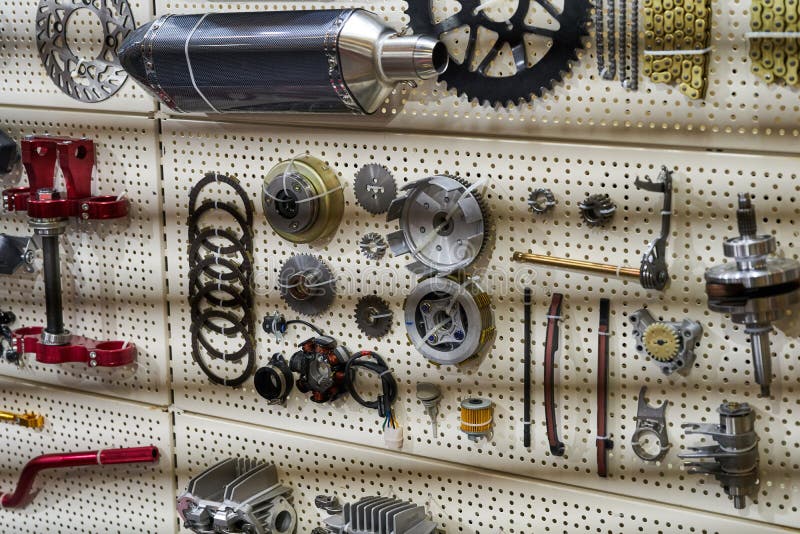
For motorbike lovers looking to raise their riding experience and ensure their bikes run smoothly, understanding the necessary elements of a motorbike is vital. Each component, from the engine's intricate operations to the important role of the braking devices, not just impacts efficiency yet additionally safety and security and comfort.
Engine Elements

The camshaft plays an important duty in regulating the timing of the engine's shutoffs, making sure the precise opening and closing needed for efficient gas and air consumption, in addition to exhaust expulsion. This timing is vital to maintaining optimum engine efficiency and effectiveness. Additionally, the carburetor or gas injection system, relying on the motorcycle model, is in charge of blending air with gas in the proper ratio for burning.
The cooling system, either air or liquid-based, functions to maintain the engine's temperature within functional limitations, preventing overheating and making certain long life - moto parts nz. Each element, thoroughly designed and incorporated, adds to the smooth procedure of the engine, specifying the bike's power result and total performance
Transmission System
Important to the motorbike's performance, the transmission system makes certain reliable power transfer from the engine to the wheels. This system comprises numerous crucial parts, consisting of the clutch, gearbox, and final drive, each playing an essential duty in translating the engine's power into movement. The clutch, typically operated by a hand lever, offers to disengage the engine and engage from the transmission, allowing for smooth gear changes and regulated velocity.
The gearbox, frequently referred to as the transmission correct, has a collection of gears that bikers can by hand shift with to adjust the bike's rate and torque result. These equipments are set up in a sequence that allows the motorbike to speed up efficiently and preserve optimum engine performance across numerous rates. The majority of motorbikes use a consecutive gearbox, needing the motorcyclist to change equipments in an established order.
Braking Devices
While understanding the transmission system is key to harnessing a motorbike's power, equally important is the capacity to control and stop that power properly, which is where braking devices enter into play. Brakes are vital for security and performance, offering the cyclist with the required control to browse different terrains and problems. Generally, motorbikes include two sorts of braking systems: disc brakes and drum brakes.
Disc brakes are more widespread in contemporary bikes because of their premium performance. They contain a brake disc, caliper, and pads. When activated, the caliper presses the brake pads versus the spinning disc, converting kinetic power right into warm, thereby slowing down the wheel. This system uses much better warm dissipation, regular efficiency, and boosted stopping power, specifically in wet problems.
Alternatively, drum brakes, though less like it typical, are still found in some motorcycles. They function by pushing brake shoes against the internal surface area of a drum connected to the wheel. While generally much less efficient in warm dissipation and stopping power, drum brakes are less complex and more affordable.
Recognizing these stopping systems' subtleties allows bikers to preserve their motorcycles correctly and appreciate the design that makes sure risk-free and reliable quiting.
Suspension and Steering
Suspension and guiding systems are crucial parts that considerably influence a bike's handling and ride convenience. The shock absorber, being composed of forks at the front and shock absorbers at the back, absorbs road irregularities, boosting stability and control. Front forks, generally telescopic or inverted, compress and rebound to alleviate influences, while rear shock absorbers preserve tire contact with the road, crucial for traction and safety and security.
Steering, focused around the handlebars, connects the cyclist to the motorcycle's directional control. The guiding head bearings make certain smooth operation, permitting accurate maneuverability. Appropriate placement and maintenance of these bearings are crucial for foreseeable steering feedback and minimizing rider exhaustion.
The suspension's adjustability is one more critical element; preload, damping, and rebound settings permit customization to suit various riding problems and designs. This versatility is vital for optimizing efficiency, view publisher site whether browsing urban roads or dealing with sturdy routes. Developments like electronic shock absorber provide real-time changes, boosting experience top quality throughout diverse surfaces.
Electric Systems
After guaranteeing a smooth and regulated experience via effective suspension and guiding systems, focus transforms to the electric systems, a critical element of modern-day motorbikes. These systems play an important function not just in beginning the engine but additionally in powering different elements that boost the capability and safety of the motorcycle.
At the heart of a bike's electric system is the battery, which stores electrical power necessary for beginning the engine and powering auxiliary systems - motox parts nz. The alternator or generator, coupled with the rectifier-regulator, makes certain the battery continues to be billed while the bike functions, converting power into electric power and maintaining voltage degrees
The ignition system, an additional vital element, is accountable for sparking the air-fuel mixture in the engine's cyndrical tubes. Modern motorbikes usually utilize an electronic ignition system, supplying better performance and integrity compared to typical systems.
Lighting systems, consisting of fronts lights, tail lights, and indicators, are likewise vital, guaranteeing visibility and safety and security for the biker. Added digital components such as sensing units, control devices, and shows add to advanced attributes like gas shot management, anti-lock braking systems (ABDOMINAL MUSCLE), and digital control panels, further boosting the riding experience.
Final Thought
A complete understanding of a motorcycle's essential components, including the engine, transmission system, stopping devices, suspension, guiding, and electrical systems, is vital for lovers aiming to maximize convenience, performance, and safety. Proficiency of these aspects enables notified choices pertaining to upkeep and upgrades, inevitably enhancing the riding experience. By integrating this knowledge, bikers can ensure their bikes run at peak performance and reliability, consequently maximizing both pleasure and durability of their cars.
For bike enthusiasts looking to raise their riding experience and guarantee their bikes run smoothly, comprehending the crucial elements of a motorcycle is critical.Indispensable to the motorbike's functionality, the transmission system makes sure reliable power transfer from the engine to the wheels.While comprehending the transmission system is key to harnessing a go to the website bike's power, just as vital is the capability to control and quit that power efficiently, which is where braking devices come right into play. Usually, motorbikes include two types of braking systems: disc brakes and drum brakes.
An extensive understanding of a motorcycle's important parts, consisting of the engine, transmission system, stopping mechanisms, suspension, guiding, and electrical systems, is essential for fanatics intending to enhance performance, comfort, and safety and security.